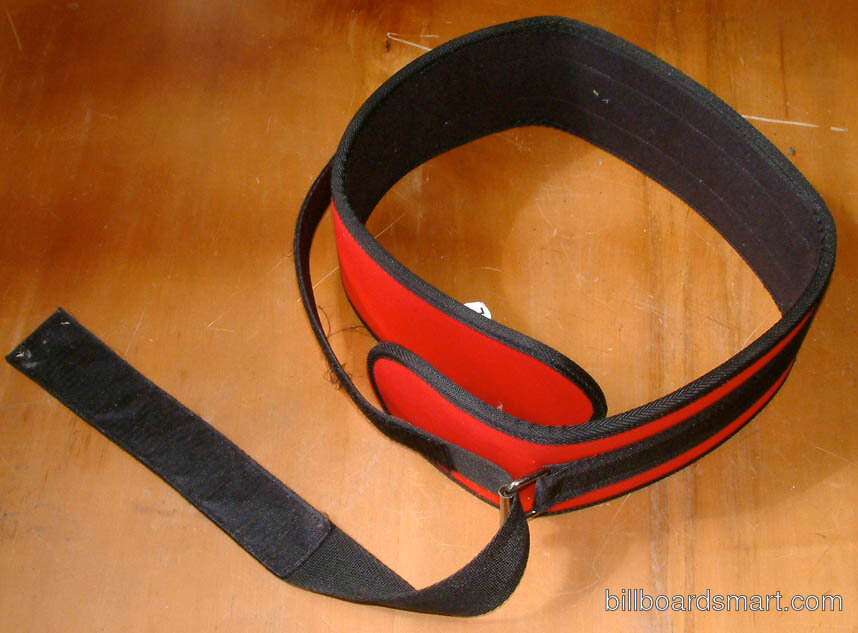
So you keep seeing the same belt in every gym photo. Bright colours, a wide velcro strap, a name printed across the front that reads 2POOD. Maybe a training partner swears by it. Maybe you watched a competition and noticed half the lifters on the platform wearing one. The question is simple: is this the right gear for you, or just the loudest brand in the room?
2POOD makes training gear for functional fitness, Olympic weightlifting and powerlifting. Its best-known product is the weightlifting belt, a wide strap worn around the waist to help you brace your core during heavy squats, deadlifts, cleans and snatches. The brand also sells knee sleeves, lifting tape, gym bags and apparel. It ships from a warehouse in Austin, Texas, and sells in the United States, the United Kingdom and through partner stores in other countries.
What sets 2POOD apart is not one single product. It is the combination of competition approval, athlete collaborations and a very recognisable look. Its belts are the official belt of the CrossFit Games and are certified as the official belt of USA Weightlifting. That matters if you compete, because it means the belt you train in is the belt you can wear on the platform. Plenty of belts feel fine in training and then turn out to be banned at an event. That is not a problem here.
This guide walks through what the brand actually sells, who it suits, how sizing works, and what to check before you spend money on a belt or a pair of sleeves.
What 2POOD is known for
The belt is the product that built the brand. Most 2POOD belts are four inches wide and close with velcro, using a fastener the brand calls the WODClamp. The idea is a quick, secure fit that you can tighten and release between sets without fumbling with a prong or a lever. If you do timed workouts where you put a belt on for a heavy set and take it off for the next movement, that speed matters more than it sounds like it should.
There is also a three-inch version, sold as a petite option. It suits lifters with a shorter torso, or anyone who finds a four-inch belt digs into their ribs or hips when they bend. Torso length matters more than height here. Two lifters of the same height can need different belt widths, so think about how a belt sits on your body, not just what size you wear in clothes.
The other thing 2POOD is known for is colour. Where most lifting belts are plain black or brown leather, 2POOD releases belts in bold prints and limited designs, many of them made with well-known CrossFit athletes. Past collaborations have included designs with Emma Lawson, Jayson Hopper, Danielle Brandon and Tasia Percevecz. Some are tied to a competition season or an event, and once they sell out they do not always come back. If you want a specific design, waiting rarely helps.
Beyond belts, the range covers knee sleeves for warmth and support during squats, weightlifting tape for thumbs and fingers during hook grip, gym bags built to carry a belt and shoes, and training apparel such as T-shirts. The performance gear, meaning belts, knee sleeves and bags, carries a warranty. Apparel, tape and accessories do not. That is worth knowing before you buy, because it tells you where the brand puts its confidence.
The brand says its products are used by hundreds of thousands of athletes around the world. That is a marketing claim, and you should treat it as one. What is easier to verify is the competition connection: the official belt status at the CrossFit Games and with USA Weightlifting is real, and it is the main reason competitive lifters pick this brand over a generic belt.
Choosing a belt, sleeves and the rest of the range
Start with the belt, because it is the purchase most people get wrong. First, decide whether you actually need one. A belt helps you brace, which means pushing your stomach out against something solid while you lift. It does not replace core strength, and it will not fix bad technique. Most coaches suggest using a belt for heavy sets, often described as around eighty percent of your maximum on squats, deadlifts, cleans and snatches, and training without it the rest of the time. If you are new to lifting, spend your first months learning to brace without a belt, then add one when the weights get serious.
Next, pick the width. The four-inch belt is the standard choice for most lifters. The three-inch petite belt is a better fit if a four-inch belt feels like it is fighting you every time you bend over to set up a deadlift. If you are between sizes, the brand offers sizing help on its site, and measuring your waist where the belt will sit beats guessing from your jeans size every time.
Sizing runs from very small through extra large, with sizes below extra small on some designs. Belts are sized by waist measurement, not by clothing size, so take a tape measure and check. A belt that is too loose does nothing. A belt that is too tight stops you breathing properly and makes bracing harder, not easier.
Knee sleeves are the second purchase to think about. They keep your knees warm and give a small amount of compression and rebound out of the bottom of a squat. They are not knee braces, and they will not protect a damaged knee. Buy them for comfort and warmth during training, not as a medical fix. Fit matters here too: too tight and they cut off circulation, too loose and they slide down mid-set.
Lifting tape is cheap and simple, and it is one of the best small purchases a lifter can make. Hook grip tears up thumbs, and a strip of tape makes the difference between finishing a workout and stopping early. 2POOD sells tape in a few colours, and it is the kind of item worth adding to an order rather than buying on its own.
Apparel is straightforward training clothing. It is not covered by the warranty, so judge it the way you would any gym T-shirt: fabric, fit and whether you like the design. It is not the reason to shop here. The belt is.
Shopping tips and getting a good deal
Belts are not cheap, and this is a purchase where buying once beats buying twice. A good belt lasts for years, so the price spread over its life is small. That said, there are sensible ways to spend less. The brand runs clearance on older designs, and a clearance belt is the same belt with a different print. The catch is that clearance is usually final sale, with exchanges only for the same price, so do not buy a clearance belt unless you are sure about your size.
Check the shipping threshold before you check out. Orders over a certain amount ship free within the United States, so adding tape or a small accessory can sometimes cost less overall than paying for shipping on a belt alone. If you are ordering from outside the United States, remember that duties and taxes may apply, and the United Kingdom store ships from a UK warehouse, which changes the maths for European buyers.
Before you buy, check the return and exchange policy for your region. Belts can usually be exchanged for size, but a belt that has been worn for a heavy session may not be returnable. If you are unsure between two sizes, ask the brand for sizing help first rather than ordering both and returning one.
Finally, be honest about how you train. If you lift three times a week and compete once a year, a 2POOD belt is a solid choice that will hold up and will be legal at your competition. If you only do light machine work and never squat or deadlift heavy, a belt is money you do not need to spend yet. The best gear purchase is the one that matches the training you actually do, not the training you wish you did.