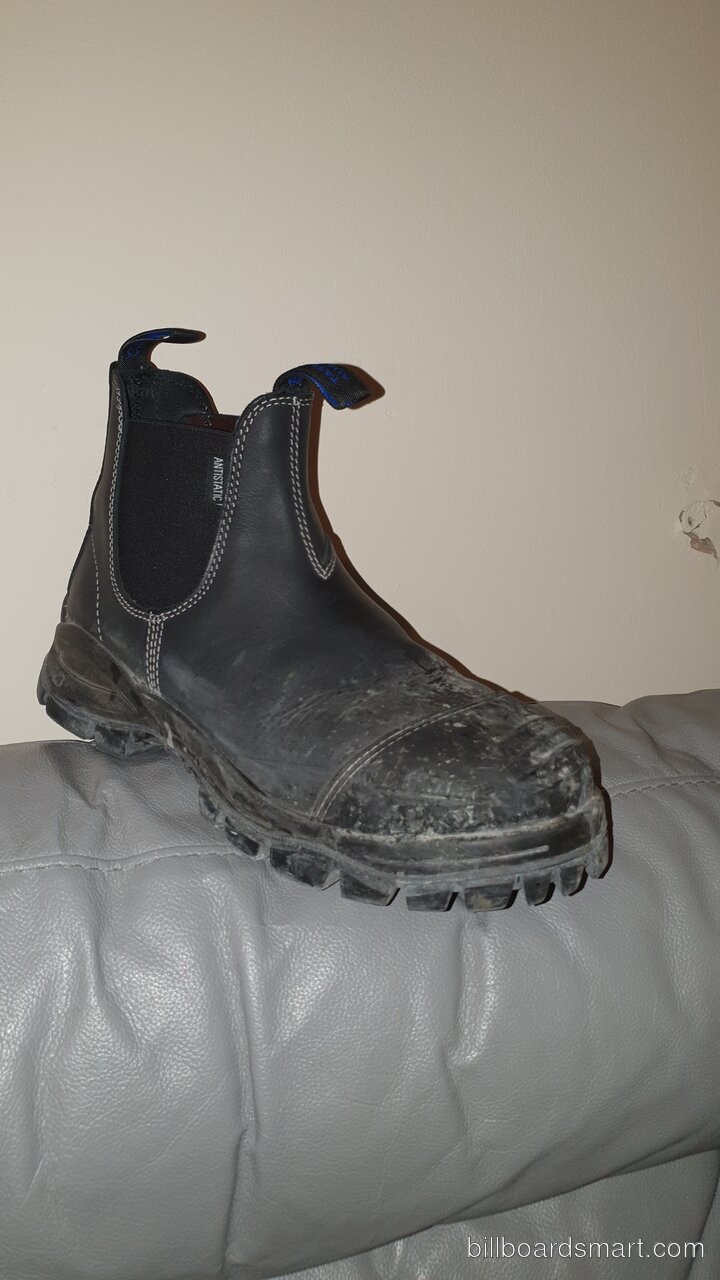
You know the yellow machines. The bulldozers, the excavators, the hard hats with the black and yellow logo. CAT Footwear is what happens when that reputation for toughness gets put onto a pair of boots. It is the footwear brand licensed from Caterpillar Inc., the heavy equipment giant, and made under license by Wolverine World Wide. The boots are not built in the same factories as the bulldozers, and it is worth saying that plainly, but they are built to the same idea: tough materials, honest construction, and a boot that can take a beating on a job site. If you work on your feet, or you just want a boot that lasts, here is how the brand works and how to buy the right pair.
CAT Footwear covers two worlds that overlap more than you might think. The first is work: steel toe and composite toe boots, waterproof boots, slip-resistant shoes and wedge-sole boots for people in construction, warehousing, manufacturing, utilities and the trades. The second is lifestyle: rugged boots, hikers and sneakers for people who like the look and the durability but do not need a safety rating. The same brand sells a heavy steel toe boot for a building site and a casual leather boot for a weekend walk, and knowing which side of the line you are on is the first step to buying well.
The work boots: what the ratings actually mean
This is the part that matters most, and it is where most buyers get confused. A work boot is not just a tough boot. It has to meet a safety standard, and in the United States that standard is usually ASTM F2413. When a CAT boot says it meets ASTM F2413, it has been tested for impact and compression resistance, meaning the toe can withstand a heavy object falling on it without crushing your foot. The ratings are written as codes, such as I/75 and C/75, which refer to the level of impact and compression protection. Some models add EH, for electrical hazard protection, which means the boot offers some insulation against electrical current. Others add puncture resistance, which protects the sole against nails and sharp objects.
Here is the catch: not every CAT boot carries the same rating. Some models are fully safety rated, some are rated for some hazards but not others, and some, particularly the lifestyle models, are not safety rated at all. Never assume a boot is steel toe just because it says CAT on the side. Read the product page and look for the exact ASTM rating, and then check that rating against what your job actually requires. If your employer or your site has a safety policy, it will usually spell out the required rating. Buy to that spec, not to the logo.
The toe itself comes in three main types, and each has trade-offs. Steel toes are the classic choice: strong, proven, and relatively cheap, but heavier and colder in winter, and they can set off metal detectors. Composite toes use non-metallic materials, which makes them lighter, warmer in the cold, and metal-detector friendly, but they can be bulkier and sometimes cost more. Alloy toes sit in between, lighter than steel but still metallic. For most people, the right choice is the one that meets the required rating at the lowest weight you can afford, because a heavy boot is a tired foot by the end of a ten-hour shift.
Models worth knowing
A few names come up again and again, and they are worth knowing because they represent different answers to the same problem. The Second Shift is the long-running classic: a Goodyear-welted leather steel toe boot, tough, resoleable, and popular because it is straightforward and relatively affordable. It is not waterproof and it is not light, but it is honest, and it has been a job site staple for years. The Threshold is the waterproof steel toe option, built for wet conditions, with a sealed construction that keeps water out on muddy sites. The Reclaimer is a wedge-sole waterproof boot, designed for long hours standing on concrete, where the wedge sole spreads the pressure and the cushioning matters more than the lugs.
For lighter work, the Invader Max is a composite toe waterproof boot that feels closer to a hiker than a traditional work boot, and the Streamline is an athletic work shoe for people who want safety protection in something that looks and feels like a trainer. On the women's side, models like the Mae offer a steel toe waterproof boot built on a women's last, which matters because a boot designed for a man's foot does not fit a woman's foot well, no matter how small the size. On the lifestyle side, the Boulder and similar casual boots trade the safety rating for comfort and style, with rugged leather and chunky soles that suit outdoor wear and everyday use.
Do not buy on the model name alone. CAT updates its range, and a model that was the best pick two years ago may have been replaced or changed. Use the model names as a starting point, then check the current specs: toe type, waterproofing, weight, sole type and safety rating. Two boots with the same name in different years can have different specs, and the product page is the only reliable source.
Fit, comfort and breaking in
Work boots need breaking in, and CAT's leather boots are no exception. A new pair of Second Shifts will feel stiff for the first week, and the leather will soften and mould to your foot over time. That is normal for a Goodyear-welted boot, and it is one reason they last so long, but it means you should not judge a pair on the first day. Wear them around the house for a few days before a full shift, and wear the socks you will actually work in, because a thick work sock changes the fit by half a size. If a boot pinches your toes or rubs your heel raw in the shop, it will not get better with wear. It is the wrong size, and you should try the next one up or a wider fit.
Comfort features matter more than most people think. Look for a cushioned insole, a padded collar, and a midsole that absorbs shock. If you stand on concrete all day, a wedge sole or a boot with a good EVA midsole will save your knees and your back. If you work on ladders or uneven ground, a lugged outsole with deep tread gives you grip, but it can be less comfortable on flat floors. Slip resistance is worth checking if you work in kitchens, hospitals or anywhere with wet floors, but remember that no boot is slip-proof, and the rating is about reducing risk, not eliminating it. Waterproofing is a similar trade-off: a waterproof boot keeps water out, but it also keeps sweat in, so if your feet run hot, a waterproof boot can feel clammy by the end of the day. Some workers prefer a non-waterproof boot with good socks for exactly that reason.
Buying well and spotting a good deal
CAT Footwear sits in the middle of the work boot market on price: more expensive than a no-name boot, cheaper than a premium brand like Red Wing. That is its value proposition, and it holds up if you buy the right model for your job. The best deals come from buying last season's colour or model when a new version arrives, and from multipacks of work socks and insoles rather than the boots themselves, because boots rarely go on deep discount. Watch for sales around major shopping events, and check authorised retailers as well as the brand's own site, because the price can vary.
Be careful with fakes and unauthorised sellers. CAT is a well-known brand, and counterfeit work boots are a real problem, especially on marketplaces. A fake steel toe boot that has never been tested is dangerous, not just disappointing, because it gives you the look of protection without the protection. Buy from the brand's own site or a known retailer, and be suspicious of any listing that is far cheaper than everywhere else. Check the seller, check the reviews, and if the price looks wrong, it is wrong.
Finally, think about the total cost, not just the purchase price. A Goodyear-welted boot like the Second Shift can be resoled, which means a pair that costs more up front can last twice as long as a cheap glued boot. A boot that fits well and supports your feet can save you money on insoles, physiotherapy and days off with sore feet. And a boot with the right safety rating can save you from an injury that no discount is worth. Buy the boot your job needs, in the size that fits your foot, from a seller you trust, and break it in before you need it. That is the whole secret, and it is worth more than any sale.