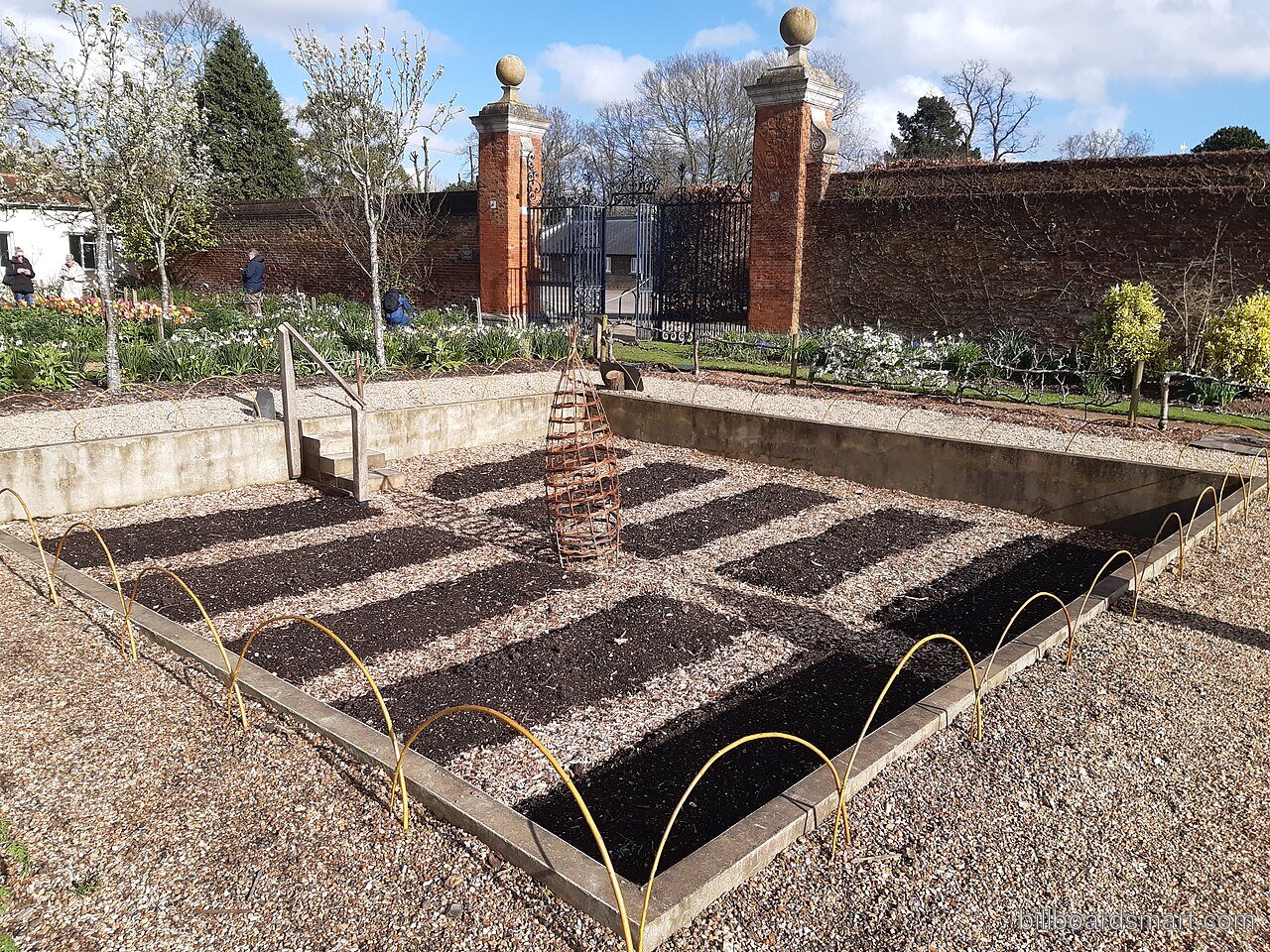
What would happen if you stopped buying food from far away and started eating what grows near you, in season, cooked simply? That question is at the heart of River Cottage, the food brand and farm created by chef and writer Hugh Fearnley-Whittingstall. It began as a television series about one man trying to live more self-sufficiently in a Dorset cottage, and it has grown into a farm, a cookery school, a restaurant, and a range of organic food and drink. This guide explains what River Cottage is, what it offers, and how to get the most out of it, whether you are planning a visit, booking a course, or just buying a jar of something good.
River Cottage is a brand used for a number of ventures by Fearnley-Whittingstall, and they all share the same idea: good food comes from knowing where it comes from. The first television series, Escape to River Cottage, was shown on Channel 4, and it followed him as he left London to grow vegetables, keep animals, and cook with what he could find, catch, or grow himself. Later series followed him as he set up a new base in old dairy buildings near Bridport, and then moved to Park Farm, near Uplyme in Devon, on the Devon and Dorset border. That farm, River Cottage HQ, is a working organic farm, and it is still the centre of everything the brand does.
The farm itself is a place where the food on the plate is connected to the land around it. River Cottage HQ is a farm of around a hundred acres in its current form, following a farm-to-fork approach, with its own pigs, chickens, and gardens, and views across the valley towards Lyme Bay. It is certified organic, which means the farming follows strict rules about how the land and the animals are treated. That is not a marketing slogan. It shapes what is grown, what is served, and what is sold in the shop.
What you can do at River Cottage HQ
The best-known thing River Cottage offers is its cookery school. The courses cover a wide range of practical food skills, from breadmaking and cheese-making to curing meat, foraging, bee-keeping, and gardening. Some courses last a day, others run over a weekend, and they are taught by chefs and specialists who work with the food every day. A course is not a demonstration where you sit and watch. It is hands-on, and you leave with something you have made, and with the confidence to make it again at home.
Choosing a course is easier if you start with a skill you actually want to learn, rather than a course that sounds impressive. If you have never made bread, a bread course will change the way you cook more than an advanced course on a cuisine you rarely eat. If you keep bees, or you want to, a bee-keeping course is a practical investment. If you love cheese, a cheese-making course will teach you why some cheeses taste the way they do, and how to look after them at home. Read the course description carefully, and check what is included, how long it lasts, and whether lunch or ingredients are part of the price.
Alongside the courses, River Cottage HQ offers dining experiences in its eighteenth-century threshing barn, and a more casual Kitchen and Store, which serves breakfast and lunch, cakes and drinks, and sells River Cottage products and books. The Kitchen and Store is open seven days a week, and you can drop in without a booking, which makes it a good first visit if you are in the area. The menu changes with the seasons, and it is built around organic, local, and seasonal food, so what you eat in autumn will be different from what you eat in spring. That is the point. Eating seasonally means eating what is at its best right now, not what has been flown in from somewhere else.
River Cottage also hosts events, feasts, and weddings, and it offers stays in the farmhouse itself. A gift voucher is a popular way to give someone a River Cottage experience, because the recipient can choose between a course, a dinner, a feast, or a stay. If you are buying a voucher as a gift, check how long it is valid for and what it can be used for, so the person receiving it can actually use it.
The food and drink range
River Cottage also sells food and drink under its own name, through its shop and through retailers. The range is built around the same organic, seasonal idea as the farm, and it includes products made with local producers. Among the items in the River Cottage Organic range are ketchup, vegetable stock, cider, beer, and sparkling wine, as well as yoghurt and kefir, which are made from organic milk. There is also a kombucha range, made in partnership with Equinox, a Yorkshire-based organic kombucha maker, with flavours that draw on garden and hedgerow ingredients. Soaps and balms, made with local producers, sit alongside the food in the shop, and the cookbooks written by Hugh Fearnley-Whittingstall and his team are there too.
The cookbooks are a good place to start if you cannot visit the farm. The River Cottage Cookbook, the first book in the series, won a food book award, and The River Cottage Meat Book won a James Beard Award. They are practical books, written for home cooks, and they explain not just how to cook a dish but why it works. A more recent book, How to Eat 30 Plants a Week, reflects the brand's interest in eating a wide variety of plants, which is a simple idea with a lot of evidence behind it: the more different plants you eat, the better it is for your gut and your health.
When you are buying River Cottage products, the same rules apply as with any organic food. Check the ingredients, check the use-by date, and think about how you will use it. A good ketchup is worth paying for if you use it often, and a good stock will lift a soup or a stew in a way that a cheap cube will not. But an organic label does not make a product right for you if you do not like the flavour, so taste it first if you can, or buy the smallest size to try.
How to make the most of a visit
If you are planning a trip to River Cottage HQ, a little planning goes a long way. The farm is in the countryside on the Devon and Dorset border, near Axminster and Lyme Regis, and it is best reached by car. Check the opening times and the booking terms before you travel, because courses and dining events need to be booked in advance, and they can sell out. The Kitchen and Store is more flexible, and you can drop in, but it is still worth checking the times, especially in winter.
Dress for a farm, not for a restaurant. You will be walking on grass and gravel, and the weather on the Devon coast can change quickly. Wear sensible shoes, bring a waterproof layer, and be ready to go outside, even if you are there for a course. If you are staying in the farmhouse, check what is provided and what you need to bring, and ask about dietary requirements when you book, so the kitchen can look after you properly.
The most useful thing to take away from a visit is not a souvenir but a skill or a habit. Learn how to make a loaf of bread, or how to look after a sourdough starter. Learn which plants you can forage safely, and which ones to leave alone. Learn how to use the whole of a vegetable, or how to make stock from bones and peelings instead of throwing them away. These are small changes, but they add up, and they are the reason River Cottage has lasted as long as it has. It is not about buying a lifestyle. It is about cooking a little better, wasting a little less, and knowing where your food comes from.
River Cottage is not a supermarket brand, and it is not trying to be. It is a farm, a school, and a kitchen, and its products are an extension of that. If you go for a course, go to learn something you will use. If you go for lunch, go to taste what is in season. And if you buy a book or a jar of something from the shop, use it, and let it change the way you cook at home. That is what the brand was built for, and it is still the best reason to seek it out.