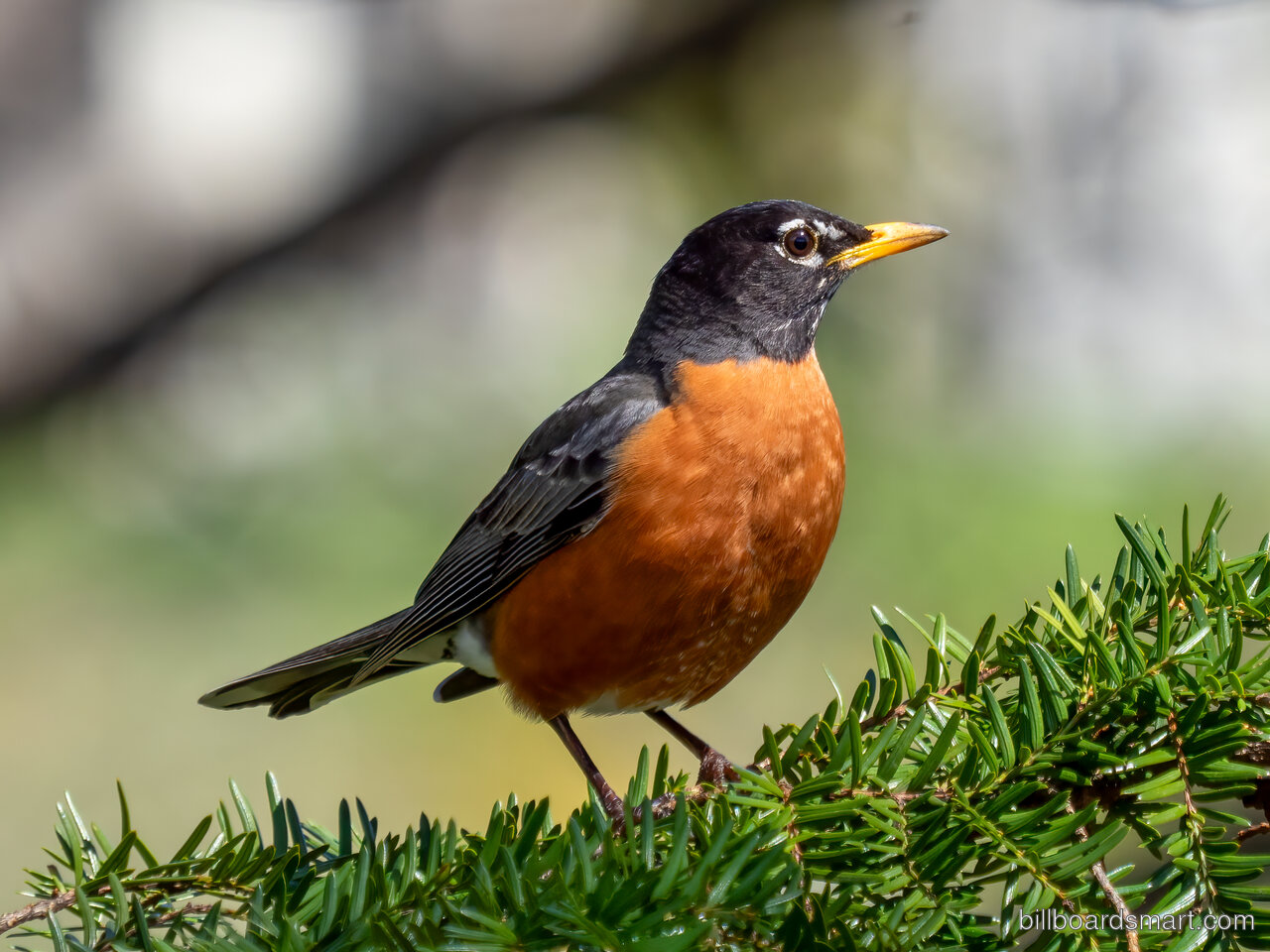
What if the email you actually look forward to is the one about birds? That is the promise behind RSPB Notes on Nature, the Royal Society for the Protection of Birds newsletter that lands in inboxes with seasonal guides, wildlife stories and answers to the nature questions people really ask. And behind the newsletter sits the RSPB Shop, where the same organisation sells the binoculars, bird food and garden kit that turn reading about nature into doing something for it. This guide explains what Notes on Nature is, what the shop sells, and how to get the most out of both without spending money on the wrong things.
The RSPB is the UK's largest nature conservation charity, and its work is funded in part by its members, supporters and shoppers. Notes on Nature is its free email newsletter, and the RSPB says it reaches over a million nature lovers. Each issue is packed with seasonal guides to nature, stories from conservation work, and updates on the wildlife the charity is working to protect. The editor is Sian Duncan, a conservationist and wildlife writer who previously edited the newsletter and has written widely about birds. The tone is friendly and practical rather than academic, which is why it works for beginners as well as for people who have been birdwatching for years.
The newsletter is not a sales leaflet, though it does include offers from the RSPB Shop and its partners from time to time. Its main job is to help people notice more of the nature around them: which birds to look for in a given month, what is happening on the charity's nature reserves, and what small things you can do in a garden, on a balcony or on a walk to help wildlife. Readers can also send in questions, and the wildlife team publishes answers to them, which gives the newsletter a useful, conversational feel.
What is inside Notes on Nature?
A typical issue follows the seasons. In spring, that might mean guidance on the first returning migrants, on nesting birds and on what not to disturb. In summer, it might cover fledglings, butterflies and the wildlife to look for on a walk. In autumn, it might look at migration, fungi and the birds gathering for winter. In winter, it often turns to the Big Garden Birdwatch, the RSPB's annual garden bird survey, and to how to help birds through cold weather. The seasonal structure is the point: nature changes month by month, and the newsletter is a reminder to look up and notice what is happening now, rather than in general.
The newsletter also carries stories from the front line of conservation. That might be an update on a reserve, a species the RSPB is working to protect, or a piece of good news about a habitat recovering. These stories are written in plain language, and they explain why the work matters without assuming the reader already knows the background. For someone who cares about nature but does not follow conservation news closely, that is a gentle way to stay informed.
Reader questions are one of the most useful parts. People ask about the birds in their garden, about strange behaviour they have seen, about how to help a particular species, or about what to plant. The answers come from the RSPB's wildlife team, and they are practical rather than theoretical. If you have ever wondered why a robin is singing at night, or what to do with a fledgling on the ground, or which food is safe for hedgehogs, this is the kind of question the newsletter answers. Competitions for readers also appear regularly, and the newsletter sometimes shares special offers from the shop, which is worth knowing if you are planning a purchase anyway.
Signing up is free, and the newsletter is sent by email, so you can read it on a phone or a computer and keep the useful issues for later. If you are new to birdwatching, it is a good first step, because it gives you a small, regular dose of information rather than a book you have to work through. If you are already a member, the newsletter sits alongside the RSPB magazine, which members receive, and the members' website, which carries longer articles under the Nature notes heading.
What the RSPB Shop sells
The RSPB Shop, at shopping.rspb.org.uk, is the charity's online store, and it is also present in shops at many RSPB nature reserves. Every purchase supports the charity's work, and the shop states that a portion of each sale goes towards funding conservation. The products are chosen with the environment in mind, and many are tested for effectiveness, which matters more than it sounds: a bird feeder that does not work, or bird food that is not safe, is worse than no feeder at all.
Bird food and feeders are the heart of the shop. The range includes seed mixes, suet pellets, peanuts and mealworms, with mixes aimed at different species, and feeders to match: hanging feeders, ground feeders, window feeders and feeding stations. The shop also sells bird tables, nest boxes, bird baths and wildlife cameras, including nest box cameras that stream to a screen in your home. If you are starting from nothing, a simple hanging feeder and a bag of seed is enough to begin. You do not need a full feeding station on day one, and you will learn more from watching which birds visit a single feeder than from buying five at once.
Binoculars and scopes are the other major category. The shop stocks its own RSPB-branded binoculars, such as the Skylark and Avocet ranges, alongside other optics, with options for adults and children and for different budgets. Buying binoculars is a case where the shop's buying guides are genuinely useful, because the numbers on a pair of binoculars mean something specific. The first number is the magnification, and the second is the size of the front lens. A pair marked 8 x 42, for example, magnifies eight times and has a 42mm lens. Higher magnification is not always better, because it makes the image harder to hold steady. For most beginners, a compact, light pair that you will actually carry is better than a powerful pair that stays at home.
Beyond birds, the shop sells a wide range of nature-themed gifts and homeware: books and identification guides, outdoor clothing, children's toys and games, greetings cards, stationery, kitchenware, candles, jigsaws and blankets. The greetings cards are a good example of the shop's approach. Many are made with eco-friendly card, with envelopes from recycled paper, and some are made in collaboration with artists and designers, with a share of the profit going to the RSPB. The cards feature British wildlife, from puffins and barn owls to blue tits and kingfishers, and they are blank inside for your own message. They make a thoughtful gift for a bird lover, and they are also a small, low-cost way to support the charity.
The shop also sells gifts for the garden beyond birds: hedgehog houses, bat boxes, bee homes, pond equipment and garden ornaments. These are worth a look if you want to help wildlife beyond feeding birds, but check the guidance before you buy. A hedgehog house needs to go in a quiet, sheltered spot, and a bat box needs to be high on a wall or tree. The shop's product pages and buying guides usually explain this, and it is worth reading them rather than guessing.
How to shop the RSPB Shop well
Start with the garden you have, not the garden you wish you had. If you have a small garden or a balcony, a window feeder or a single hanging feeder is a better start than a large feeding station. If you have cats nearby, think about where a feeder goes, because a feeder that puts birds at risk is not helping them. Place feeders where birds can see approaching danger, and where you can see them from a window. Keep feeders clean, because dirty feeders spread disease, and change the food regularly rather than letting it go stale.
When you buy bird food, check what is in the mix. A good seed mix should list its contents, and it should be free from fillers that birds will not eat, such as wheat or lentils in large amounts, which simply fall to the ground and rot. Peanuts should be unsalted and, in the breeding season, fed from a mesh feeder so that whole nuts cannot choke young birds. Suet and mealworms are high-energy foods that are useful in winter and in the breeding season, when birds need extra energy. The shop sells starter kits that bundle a feeder with food, and those are a sensible way to begin if you do not want to work out the combinations yourself.
For binoculars, try before you buy if you can. The RSPB has shops at reserves, and you can handle different pairs there and ask staff for advice. If you are buying online, read the buying guide, check the weight, and think about how you will use them. A pair for a walk needs to be light and easy to carry. A pair for watching from a window can be heavier. Check the warranty, because the shop notes warranties of two to ten years on some optics, and a good warranty matters for something you will use outdoors in all weathers. The shop also runs a second-hand binocular scheme, which has sent thousands of donated binoculars to conservation and education projects in many countries since the 1980s, and which is worth knowing about if you have an old pair gathering dust.
For gifts, think about the person, not just the product. A book on British birds suits a beginner who wants to learn. A wildlife camera suits someone who already feeds birds and wants to see what visits at night. A jigsaw or a blanket suits someone who loves nature but does not go out birdwatching. An e-gift card, which can be spent online and in RSPB shops, suits someone whose taste you are unsure about, and it lets them choose. The shop's gift cards are valid for eighteen months, so check the terms when you buy one, and do not leave it until the last week.
Finally, remember what the money does. The RSPB is a charity, and the shop's profits fund its conservation work, from managing nature reserves to protecting threatened species. That does not mean every product is the cheapest option, and it does not mean you should buy something you do not need. It does mean that a purchase from the RSPB Shop is doing two things at once: giving you or the recipient something useful, and supporting the work that makes the wildlife in the newsletter possible. Sign up for Notes on Nature first, read a few issues, and let the seasons tell you what you actually need. Then buy that, and no more.